A properly working air conditioning system is essential for keeping your home comfortable, especially during warmer months. If your AC is not cooling as it should, it can quickly become frustrating and uncomfortable. Understanding the common causes can help you take the right steps before the problem gets worse.
Common Reasons Your AC Isn’t Cooling
1. Dirty or Clogged Air Filters
One of the most common reasons for poor cooling is a dirty air filter. When filters are blocked with dust and debris, airflow is restricted, making it harder for your system to cool your space effectively.
Solution:
Clean or replace your air filters regularly—ideally every 1–3 months.
2. Low Refrigerant Levels
Refrigerant is essential for cooling. If your system is low on refrigerant due to a leak or improper charge, it won’t cool efficiently.
Solution:
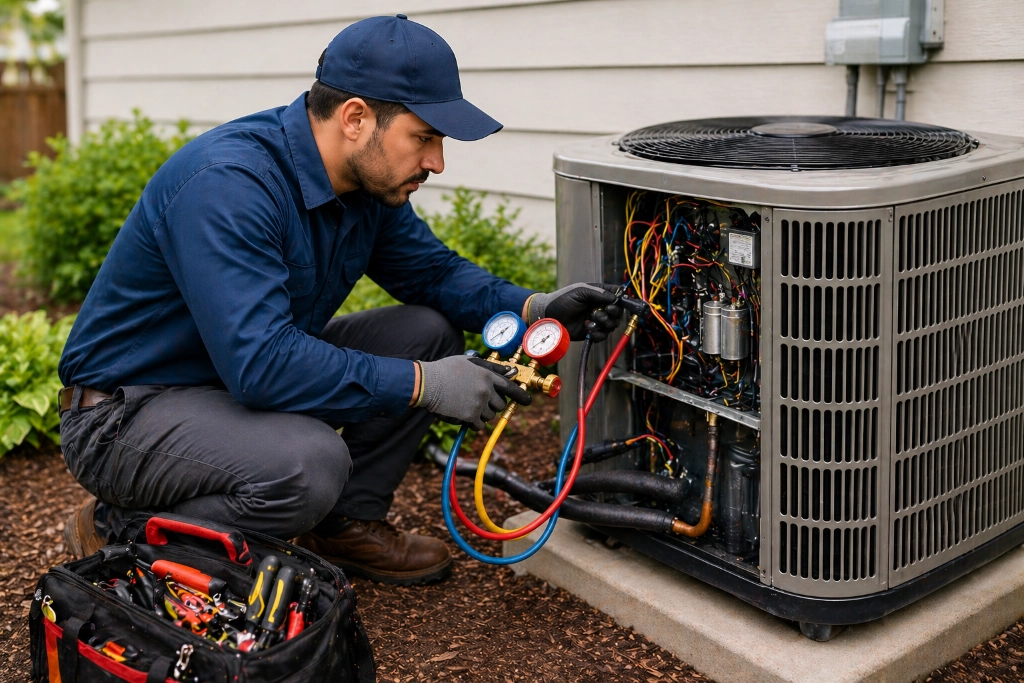
This issue requires a professional HVAC engineer to locate leaks and recharge the system safely.
3. Faulty Thermostat
Sometimes the issue isn’t with the AC unit itself but with the thermostat settings or malfunction.
Solution:
Check your thermostat settings and replace batteries if needed. If the problem continues, consider upgrading to a modern programmable thermostat.
4. Blocked or Dirty Coils
Evaporator and condenser coils can accumulate dirt over time, reducing their ability to absorb and release heat.
Solution:
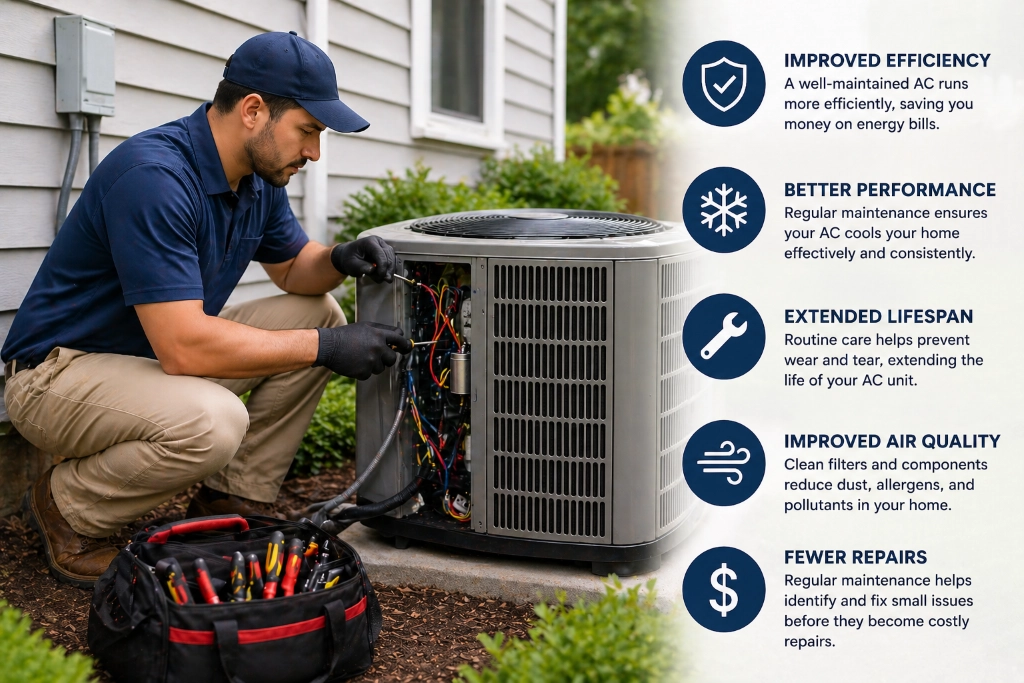
Regular cleaning and professional servicing will keep your system running efficiently.
5. Poor Airflow or Duct Issues
Blocked vents or damaged ductwork can prevent cool air from reaching different areas of your home.
Solution:
Ensure vents are open and unobstructed. For duct issues, a professional inspection is recommended.
When to Call a Professional
If your AC is still not cooling after basic checks, it’s best to call a qualified HVAC engineer. Delaying repairs can lead to more serious damage and higher costs.
Final Thoughts
Regular maintenance and quick action when problems arise can keep your AC system running efficiently. If you notice any signs of poor performance, don’t wait—getting professional help early can save time, money, and discomfort.